

I’ve been thinking a lot this week about what it means to feel steady when everything around us feels uncertain. You know that feeling when life just keeps throwing curveballs, and you’re not quite sure which way is up? I’ve been there this week, and I have a feeling I’m not alone.
Sometimes the most powerful thing we can do is simply pause, breathe, and remember that we don’t have to figure everything out right this moment. Today I want to share some thoughts on finding your footing when the ground feels shaky, plus some practical tools that have been helping me (and might help you too).
👇 In today’s email:
This week’s inspiration: When Everything’s A Bit Too Much
Latest blog post: Can’t Sleep Without Medications? Try This First
What I’m listening to: Foundational Practices, Dharma Ocean

When Everything’s A Bit Too Much
“My life keeps going off little cliffs.”
That’s what a friend said to me this week, and I felt it in my bones. When chaos shows up uninvited—and let’s be honest, it rarely calls ahead—how do we find our center? How do we take that next step when we’re not even sure where we’re standing?
I’ve been coming back to an old Taoist parable that’s been offering me unexpected comfort. It goes something like this:
An old farmer’s horse runs away. His neighbors say, “What bad luck!” The farmer replies, “Maybe so, maybe not.” The next day, the horse returns with several wild horses. The neighbors exclaim, “What good luck!” Again, the farmer says, “Maybe so, maybe not.” The farmer’s son tries to tame one of the wild horses and is thrown off, breaking his leg. “What terrible luck!” say the neighbors. The farmer responds, “Maybe so, maybe not.” Shortly after, military officers come to the village to conscript young men for war, but they pass over the farmer’s son because of his broken leg. “What wonderful luck!” the neighbors say. And the farmer replies once more, “Maybe so, maybe not.”
The Permission to Not Know
What strikes me about this story is the farmer’s wisdom in suspending judgment. He doesn’t rush to label events as good or bad, fortunate or catastrophic. He understands that only with time, distance, and the perspective of everything that follows can we truly understand the meaning of what’s transpired.
This week, I’ve given myself permission not to fixate on making sense of everything right now. And honestly? It’s been a relief.
When something difficult happens, we tend to immediately assign it meaning, to weave it into a narrative about our lives. But what if we didn’t have to do that? What if we could simply hold the experience, acknowledge it, and say, “I don’t know yet what this means”?
Finding Ground When Nothing Feels Solid
On those evenings when my nervous system needs reassurance, I’ve been creating small rituals: a fire crackling in the fireplace, maybe the Goldberg Variations playing softly, the smell of dinner cooking. These sensory touchpoints give my body the message that, despite everything, we’re safe. We’re okay. We can take the next breath.
It’s not about having all the answers. It’s about finding moments of steadiness within the uncertainty.
Yes, you can navigate the chaos without needing to understand it all right now. Sometimes the most powerful thing we can do is simply say, “Maybe so, maybe not,” and trust that clarity will come with time.
Can’t Sleep Without Medications? Try This First
Let’s be honest: when life is stressful, getting a solid eight hours of deep rest can feel impossible. Maybe you’re waking at 3 a.m. with your mind racing. Maybe you’re tossing and turning for hours. Or maybe your dream life is so vivid and intense that sleep feels as exhausting as being awake.
Sound familiar?

In my latest blog post, I’m sharing natural approaches to sleep that don’t require reaching for a prescription bottle. These are strategies rooted in Chinese medicine and backed by modern research—addressing the underlying patterns that keep you awake rather than just masking the symptoms.
I cover everything from understanding your body’s natural rhythms to specific herbs and techniques that can help regulate your nervous system for deeper, more restorative sleep. Because quality rest isn’t a luxury—it’s the foundation of everything else.
If sleepless nights have been part of your story lately, this guide might offer some answers.
Foundational Practices, Dharma Ocean
Staying grounded seems to be the zeitgeist right now.
And I don’t just mean walking barefoot in the yard when the cool spring dew feels refreshing on bare feet (though I love that too). Grounding has become a whole industry—there are grounding mats, sheets, and blankets that plug into outlets, or even cords that run down and presumably out your window into the earth.
But here’s what I’ve rediscovered: you don’t need to buy anything to feel truly grounded.
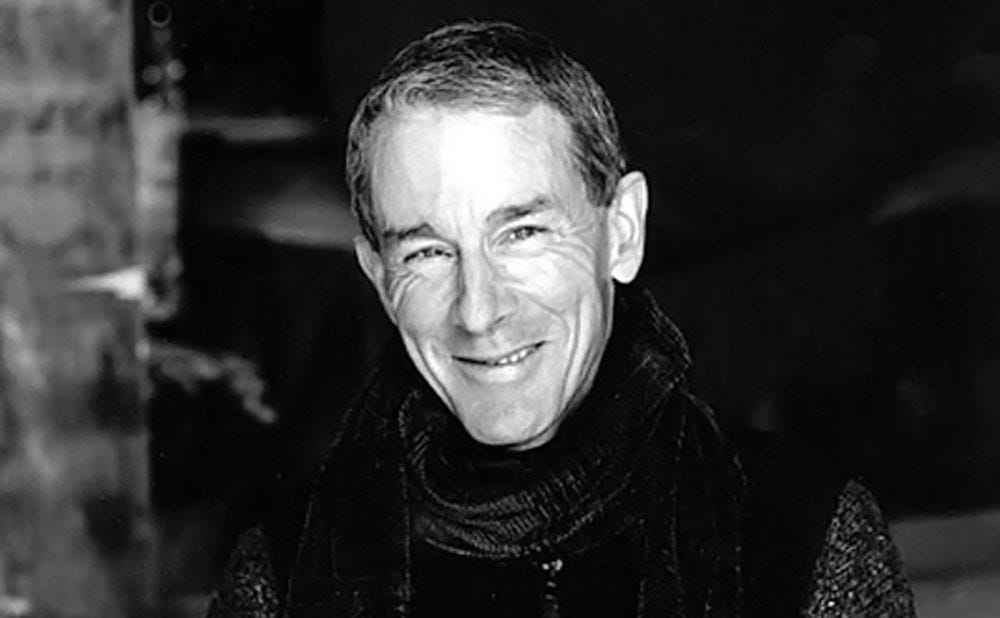
I’ve been returning to a guided meditation by Reggie Ray, one of the founders of Naropa and a student of Chögyam Trungpa, one of the first Tibetan Buddhist masters in America. This practice is all about removing tension from our bodies and letting it release into the earth. Actual grounding.
It’s wonderful to do anytime, and it’s become part of my evening ritual as I wind down for sleep. The practice helps me reconnect with that feeling of being quietly at home in my body, connected to something larger and more stable than whatever happened during the day.
If you scroll down on the page, you’ll find the audio. Start with the 10-point practice and see how it feels.
Trust me, your nervous system will thank you.
I’m cheering for you, have a peaceful week!
Dr. Cat 🥰